
How the weekly system works
A better online presence is built one useful improvement at a time.
Your custom website is the starting point. I use AI to investigate search and website activity, then turn useful findings into content, page improvements and elected Google Ads work. A comprehensive report connects the evidence, finished changes and next priorities.
- 01
Understand the searches
Bring forward your practice’s services, earlier decisions and open commitments. Analyze the searches where your site appears, the clicks they earn and the pages people find, alongside Google presence and the advertising and inquiry follow-up you use.
- 02
Choose a useful response
Connect what people are trying to find with your practice’s priorities, choose feasible work and define how to check it. Improve an existing page or create a useful answer. If you use Google Ads, review search terms, campaign performance and landing pages to guide campaign and spending decisions.
- 03
Do the work and check it
Create the content, improve the page or make the agreed campaign change, with your review where needed. Check the released experience. Your report connects the search evidence, the decision and the finished work.
- 04
Return, measure and learn
Pick up the same commitments in the next review. Assess search visibility, visits, content use and elected campaign performance when enough evidence is available. Show what happened and what comes next; use monthly trends and practice feedback to guide priorities.
Allegra Dental Center / Video refinement
The same expertise.
A clearer presentation.
Allegra’s doctors already had useful answers on film. I used ChatGPT and Codex to refine the setting, framing and graphics, while keeping their original voices and delivery.
A short sample made the creative decisions concrete. I compared alternatives, refined the treatment and checked the actual export before presenting the work.
Watch the 20-second comparison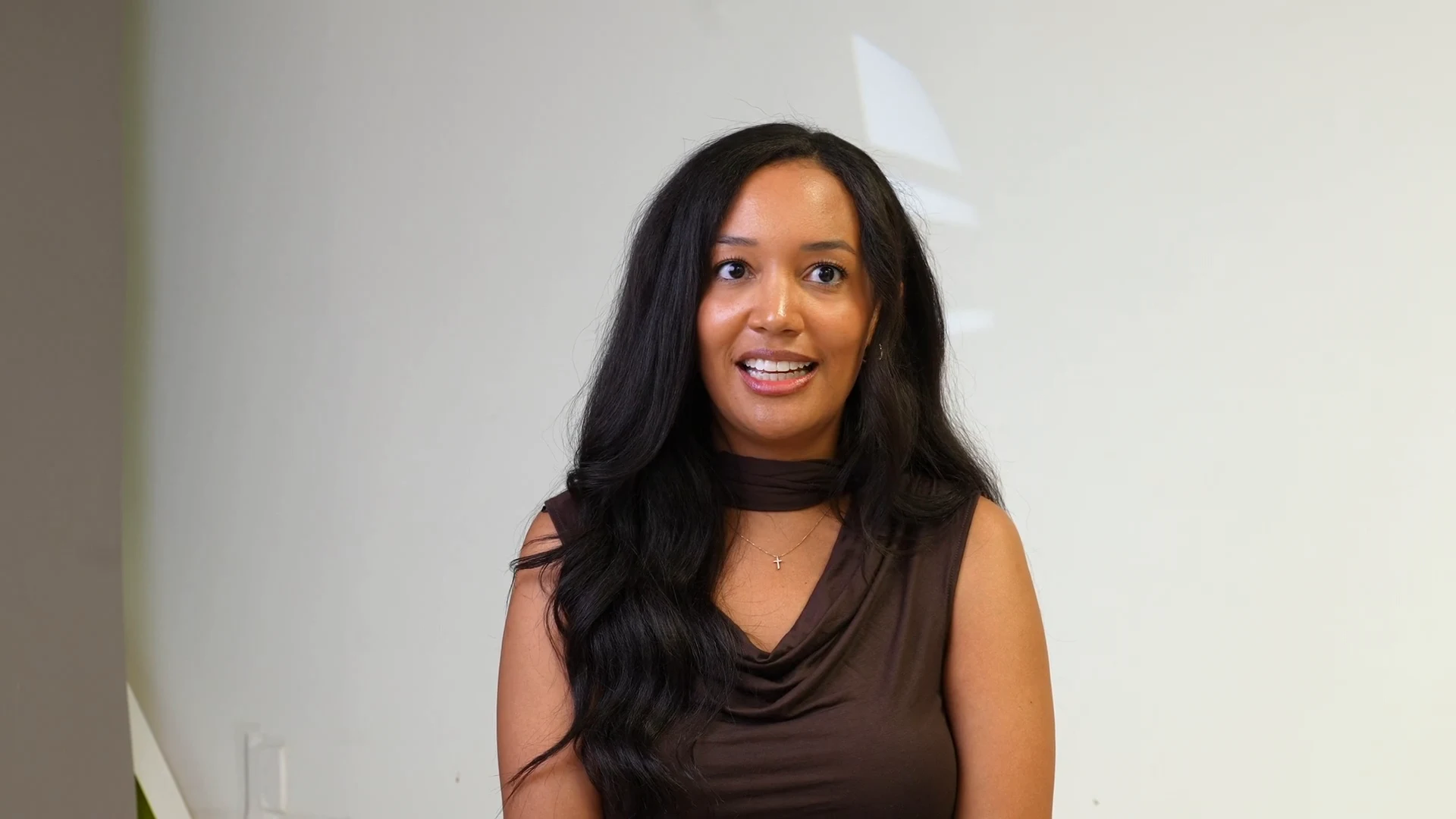
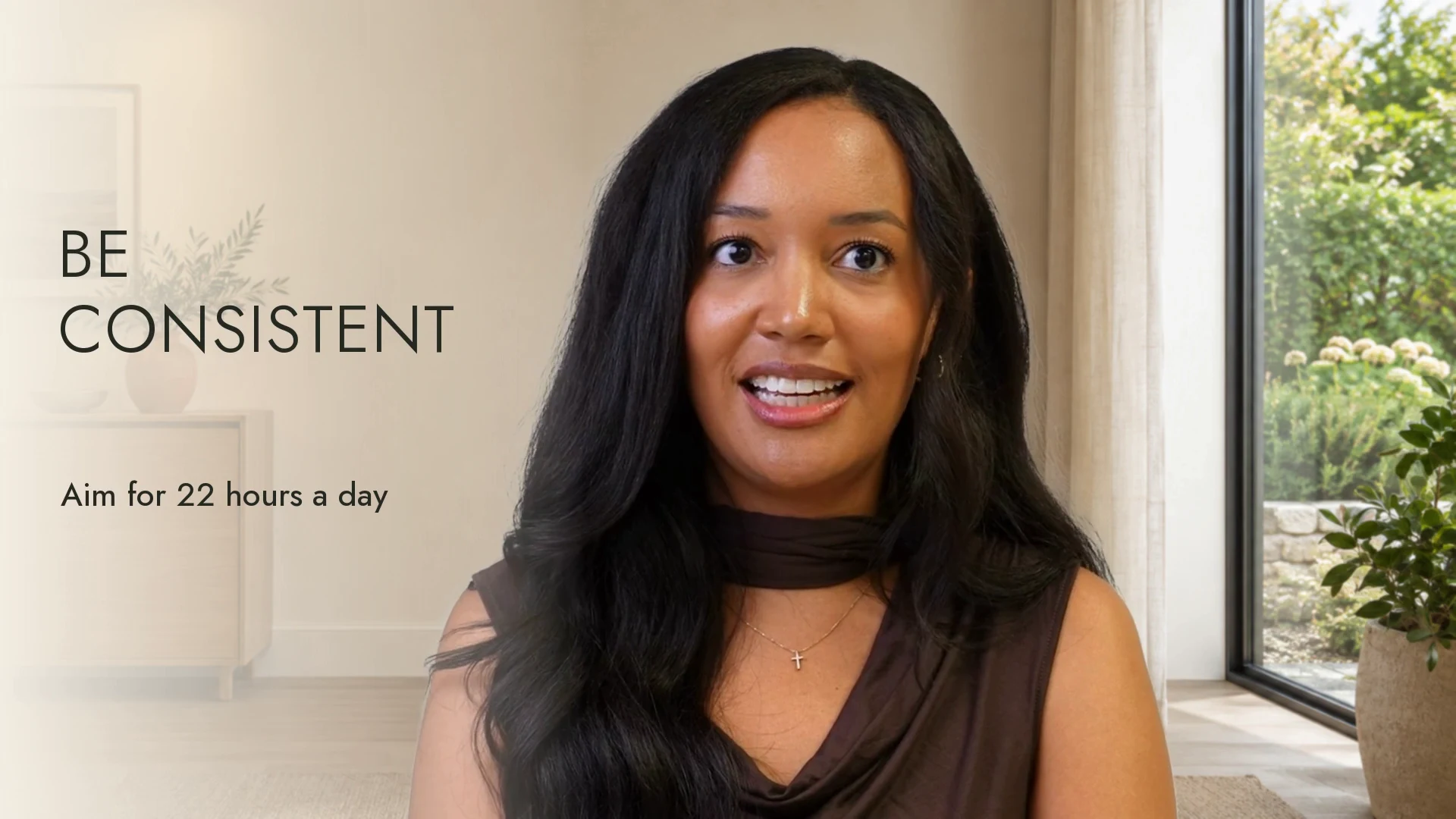
Dr. Henderson’s recording: a camera-matched setting and more considered framing. Watch with sound
- 01 / Notice
The explanation deserved a stronger presentation.
The recordings already contained the doctors’ answers and edited camera changes. The opportunity was to give those explanations a more considered visual setting.
- 02 / Choose
Keep the person. Improve what surrounds them.
Preserve the original speech, expressions and movement. Refine framing and backgrounds, and add a graphic where it helps someone follow the narration.
- 03 / Improve
Review a sample, then refine the direction.
Conversational briefs and reviewed excerpts led to richer imagery, larger typography and a lighter color treatment. The same practice context carried through each revision.
- 04 / Verify
Watch the export, not just a still.
Check foreground edges, camera changes, audio timing and readable text on a phone. The published article lets you inspect three matching 20-second comparisons.
- 05 / Return
Planned follow-up / November 9
Review which excerpts people choose, how often they finish and where they go next. Combine those observations with practice feedback to choose the next refinement.
Another improvement: make finished work easier to find.
The approved video article was buried in the Smarter Practice resource library. Feedback led to a prominent comparison feature and newest-first article ordering. The released desktop and phone routes were checked, including the three paused Split-screen defaults.
See the updated Resources pageSee how search analysis guides content, website improvements and Google Ads
Use the same questions with your current provider
The practical difference